


Patterns are everywhere. On the chair you’re sitting on. The box your last online order arrived in. The wallpaper behind your favorite café selfie. Yet most people never stop to ask what is surface pattern design? They just know when something feels polished… or painfully chaotic.
Here’s the short version, right out of the gate: surface pattern design is the art and science of creating artwork meant to live across surfaces, repeatedly, seamlessly, and at scale. It’s not decoration for decoration’s sake. It’s structure. Rhythm. Strategy. And yes, a little magic. Think less “slap a motif on it” and more “engineered visual system that won’t unravel once it leaves the screen.”
At White Rabbit, this kind of thinking is our bread, butter, and carrot sticks. As a full service design agency, we build surface pattern design into brand systems that stretch across packaging, print, digital, and physical products without falling apart at the seams. If you’re ready to understand how patterns actually work—and why they matter for your brand—hop in.
What is surface pattern design?
At its core, surface pattern design is the creation of artwork intended to repeat or be precisely placed across a surface. Fabric. Packaging. Wallpaper. Stationery. Digital backgrounds. Anything that needs to look intentional no matter how large or small the canvas gets.
Unlike a logo or a one-off illustration, patterns must behave. They have to repeat cleanly, scale gracefully, and avoid visual hiccups that only show up once something is printed 10,000 times. This is where amateurs panic and professionals calmly sip their coffee.
Surface pattern design defined
Surface pattern design refers to artwork created specifically to cover surfaces in a continuous or engineered way. These designs are built as systems, not single images. The goal is seamless repetition or intentional placement that feels natural, balanced, and—ideally—effortless to the viewer.
If someone notices where the pattern repeats, the rabbit has tripped.
How surface pattern design differs from illustration
Illustration lives in a frame. Surface pattern design lives in the wild.
An illustration can be beautiful and still fail miserably as a pattern. Why? Because patterns demand consistency, rhythm, and foresight. A strong pattern designer thinks about how elements interact across edges, how negative space breathes, and how repetition affects the eye over time. Illustration is a moment. Surface pattern design is a marathon.
Why surface pattern design is used across industries
Patterns quietly do a lot of heavy lifting. They add personality without overpowering a brand. They create recognition without shouting. Fashion, interiors, packaging, and product design all rely on surface pattern designs to build emotional connection while maintaining consistency. When done well, patterns become part of a brand’s DNA.
The origins and evolution of surface pattern design
Patterns didn’t start in Adobe files. They started because humans like order, repetition, and things that don’t look slapped together at the last second.
Traditional textile and print foundations
Historically, surface pattern design grew out of textile production and printmaking. Repeats weren’t optional; they were necessary. Fabric widths, printing plates, and manufacturing constraints shaped how patterns were constructed. That discipline still matters today, even when the tools have changed.
The shift to digital surface pattern design
Digital tools cracked the door wide open. Designers gained flexibility, speed, and the ability to test endlessly without wasting materials. But the fundamentals didn’t disappear. If anything, the ease of repeating artwork made bad patterns more common. Software can repeat anything. Skill determines whether it should.
How modern brands use patterns today
Today’s brands use surface pattern design strategically. Patterns appear across packaging, websites, brochures, and even environmental graphics. When handled by a full service team—branding, packaging, and even things like brochure design—patterns stop being decorative fluff and start acting like glue.
How surface pattern design works in practice
This is where theory meets reality. And reality, as always, has opinions.
Repeating patterns vs engineered designs
Repeating patterns tile continuously in all directions. Engineered designs are placed intentionally for a specific product or layout. One isn’t better than the other. The wrong choice, though, can lead to awkward cropping, wasted materials, or patterns that feel… off. A seasoned surface pattern designer knows when to repeat and when to engineer.
Seamless repeats and pattern tiles
A seamless repeat means no visible seams, jumps, or visual speed bumps. Pattern tiles are tested, stress-tested, and tested again. Flip it. Rotate it. Zoom out. Print it. This is where experience saves money and sanity.
Scale, flow, and repeat accuracy
Patterns must work up close and from across the room. They need flow without chaos and structure without stiffness. Good surface pattern design accounts for human perception, not just technical precision.
Common types of surface design patterns
Patterns aren’t one-size-fits-all. Different structures create different emotional effects.
Straight and block repeats
Clean. Predictable. Grid-based. These repeats are common in modern, geometric surface design patterns where clarity is king.
Half-drop and brick repeats
Offset repeats introduce movement and softness. They’re popular in florals and organic designs where rigid structure would feel unnatural.
Tossed and directional layouts
Tossed patterns feel random but are carefully controlled. Directional layouts guide the eye and often require extra planning to avoid visual traffic jams.
What does a surface pattern designer do?
A surface pattern designer does far more than draw pretty motifs. They translate strategy into systems.
Concept development and motif creation
Patterns begin with purpose. Color, shape, and style should align with brand goals, not personal whims. This is where brand strategy and creativity shake paws.
Pattern systems and colorways
Professional surface pattern designs are built as systems. Multiple colorways. Flexible applications. Long-term usability. This allows brands to expand without reinventing the wheel every season.
Preparing files for print and production
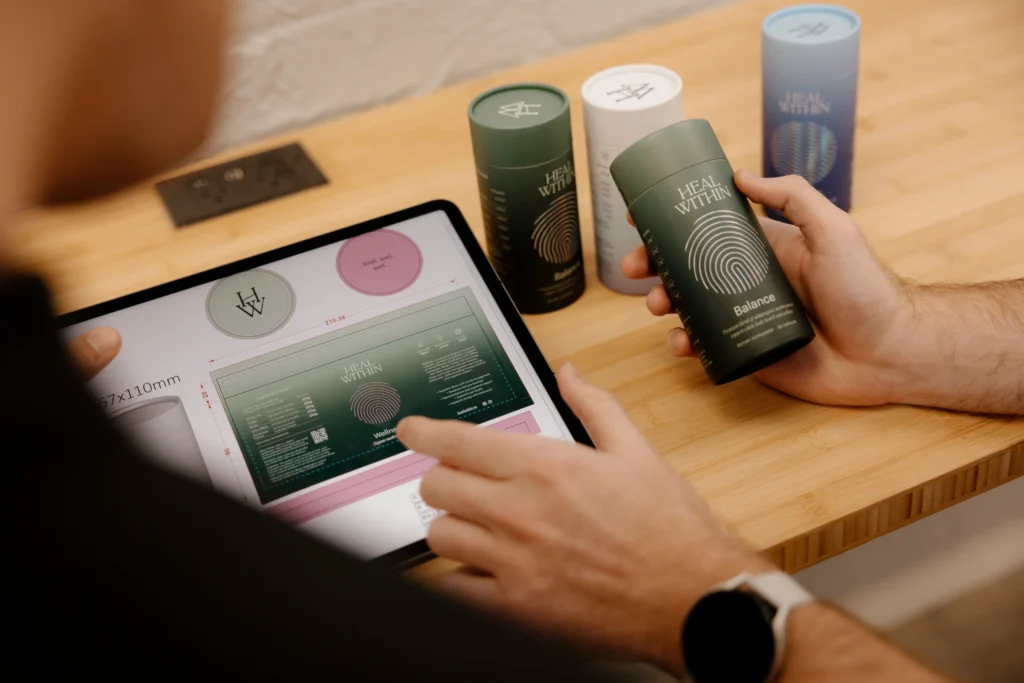
Resolution, color modes, bleed, and alignment matter. A lot. This is where a full service agency earns its keep by catching issues before they become expensive mistakes.
Tools and software used in surface pattern design
Tools don’t make the designer, but they can absolutely expose one.
Adobe Illustrator for surface pattern design
Adobe Illustrator for surface pattern design is an industry standard thanks to its vector precision and scalability. It allows patterns to be resized without loss of quality and makes repeat accuracy far easier to manage.
Raster vs vector workflows
Vectors are clean and scalable. Raster artwork brings texture and warmth. Many professional patterns blend both, depending on the application.
Testing, proofing, and repeat validation
No pattern should go live without testing. Digital previews help, but physical proofs catch things screens miss. Trust us. We’ve seen things.

Where surface pattern designs are used
If it has a surface, patterns are already there—or should be.
Textiles and fashion
From apparel to upholstery, patterns must account for movement, scale, and durability. Poor planning shows fast.
Packaging and product design
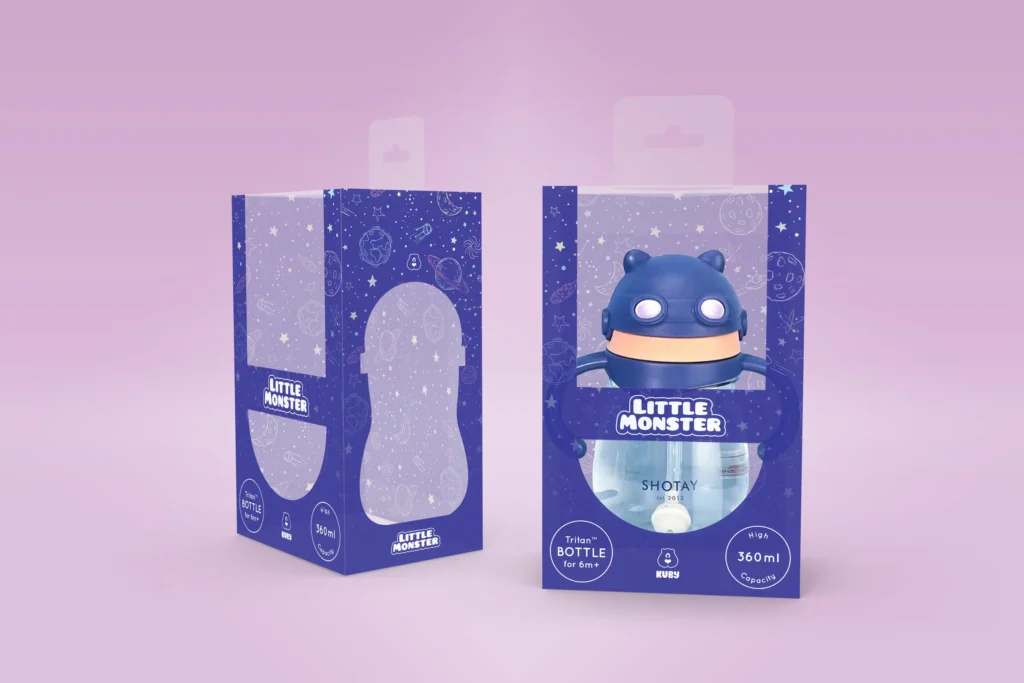
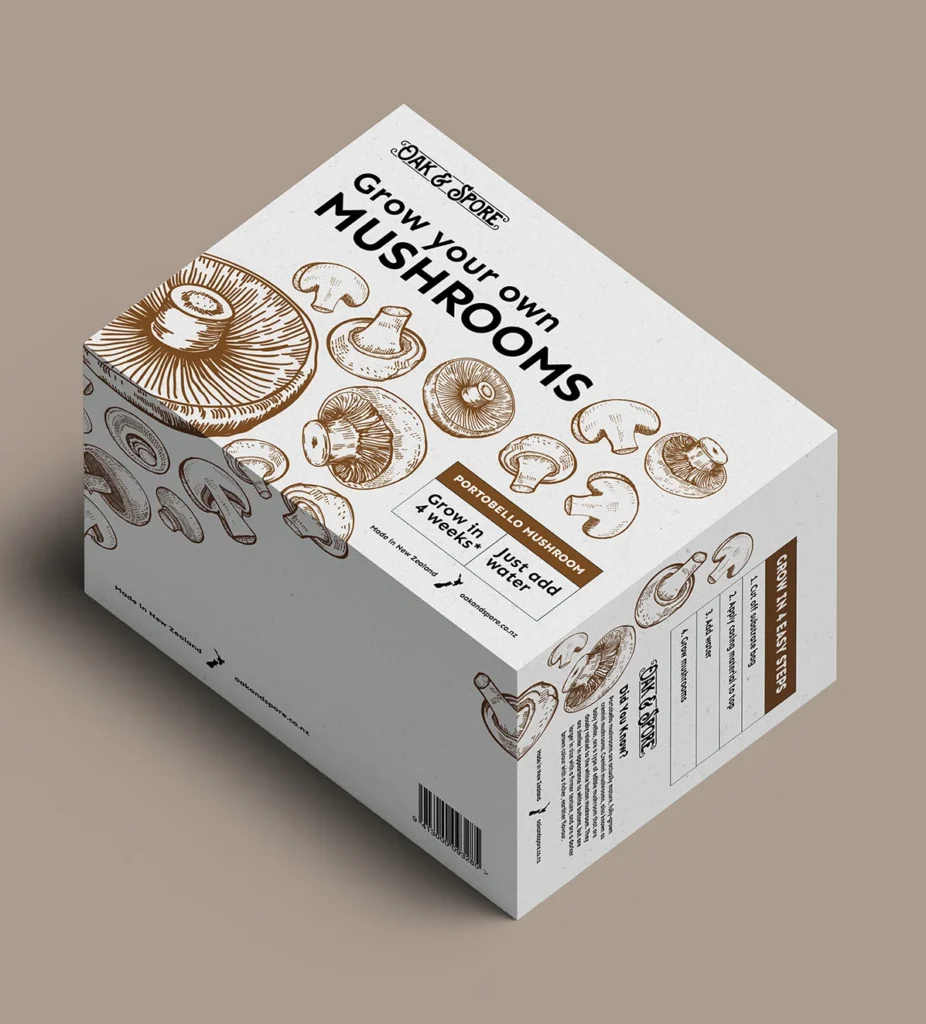
Packaging is prime real estate. Strategic surface pattern design elevates products instantly, especially when paired with thoughtful packaging design and brand systems.
Wallpaper, stationery, and home goods
Large-scale applications demand precision. A tiny misalignment becomes glaring at eight feet tall.
Surface pattern design trends in 2026
Trends come and go. Systems last.
Hand-drawn and imperfect motifs
Organic, human textures continue to gain ground as brands push back against sterile visuals.
Bold scale and simplified color palettes
Bigger motifs. Fewer colors. More confidence. This trend favors brands that know who they are.
Pattern systems built for branding
The smartest surface pattern design trends 2026 focus on flexibility—patterns that adapt across packaging, websites, and even things like website design without losing coherence.
Why pattern design matters for modern brands
Patterns aren’t filler. They’re infrastructure.
Extending brand identity beyond the logo
Logos don’t live alone. Patterns extend identity across every touchpoint, reinforcing recognition without repetition fatigue.
Creating consistency across physical and digital touchpoints
Working with multiple vendors often leads to visual drift. A single, full service partner keeps everything aligned—from logo design to packaging, print, and even specialized visuals like 3D house rendering.
Strategy-first pattern systems with seamless project management
At White Rabbit, patterns are built with strategy, managed through a clear process, and refined through collaboration. Fewer emails. Fewer headaches. Better results. You can see the proof in our work.
Work with a design agency that builds surface pattern design with purpose
Surface pattern design works best when it’s part of a bigger picture. White Rabbit helps brands create patterns that scale, systems that last, and visuals that don’t unravel under pressure.
If you’re ready to stop chasing mismatched assets and start building something cohesive, it’s time to contact us. One burrow. One team. No loose threads.
